Reading Between the Line Items: How to Compare an Indian Hospital Estimate With Confidence in 2026
An Indian hospital estimate can look reassuringly simple: one procedure, one number, one payment schedule. It is rarely that simple. A quote is a projection built on assumptions. Comparing two quotes by headline price is like comparing two airfares without checking baggage, seats, and connection times. For American patients planning care in India in 2026, the useful skill is not finding the lowest number. It is reading the line items and asking what sits outside them.
Why a Single Number Is a Poor Comparison
Hospitals bundle services differently. One quote may include surgeon fees, anesthesia, operating room time, standard implants, a private room, and a fixed number of ICU days. Another may present a lower procedure fee but exclude implants, blood products, or extra ICU nights. The lower quote can become the more expensive trip. The correct comparison is scope against scope.
What a Transparent Estimate Should Include
Ask for a line-item estimate with assumptions stated in writing. A useful estimate typically separates surgeon fees, anesthesia, operating room, room category, nursing, ICU days, diagnostics, implants or prosthetics, medicines, consumables, blood products, physiotherapy, discharge medicines, and follow-up visits. It should also state exclusions: complications, extended stay, unrelated care, companion meals, travel, visa costs, lodging, and translation.
Implants and Prosthetics: The Hidden Variable
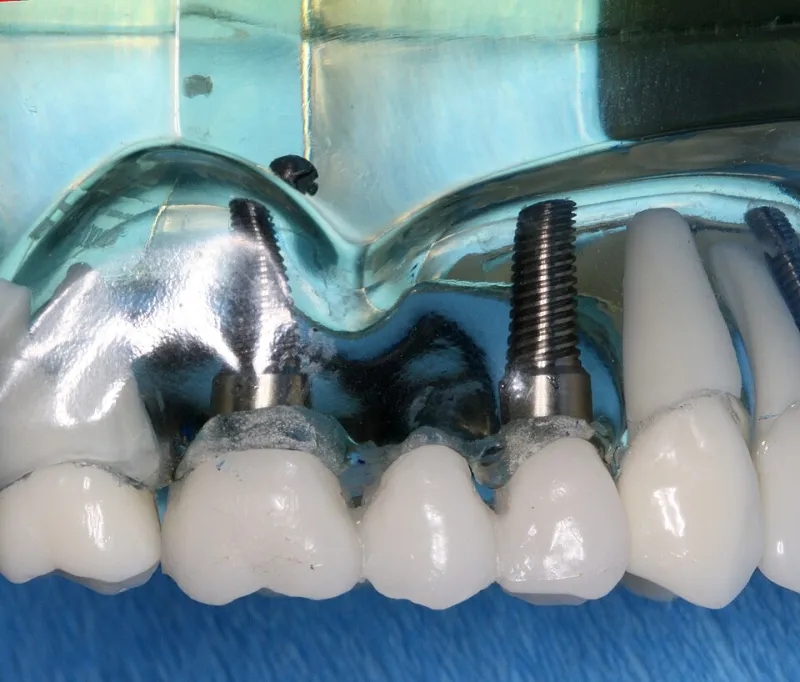
For orthopedics, cardiology, dental work, and many other procedures, the implant can be a major cost driver. Ask whether the quoted implant is included, which manufacturer and model are planned, and whether a clinically appropriate alternative changes the price. For devices with warranties or revision policies, ask for those terms in writing. The goal is not to choose the cheapest device; it is to compare quotes that include comparable clinical options.
ICU Days, Room Category, and Length of Stay
Estimates often assume a standard room and a fixed number of ICU days. Ask the daily rate for additional ICU care and for a private room upgrade. Ask what happens if discharge is delayed. Companion accommodation may be separate. These details matter more than the headline procedure fee when recovery does not follow the typical timeline.
Blood Products and Consumables
Blood products, special dressings, surgical consumables, and high-cost medicines may be billed separately. Ask whether the estimate includes them, whether replacement donors are required, and how unusual consumables are priced. Request a written explanation of any item that can vary materially.
Complications and Revisions
No responsible hospital can promise a complication-free course. Ask how complications are billed, whether readmission is included, and what the revision policy is. A quote that excludes all complication costs is not necessarily unfair, but the patient should know the exposure before committing. Ask for the policy in writing rather than relying on a verbal assurance.
Follow-Up and Post-Discharge Care
Clarify how many follow-up visits are included, whether imaging and physiotherapy are covered, and how teleconsultation after return to the United States works. Ask who provides records for the US physician. Follow-up is part of the cost of care, not an afterthought.
Currency, Payment Timing, and Fees
Confirm the currency of the quote and whether the exchange rate is fixed or floating. Ask about payment milestones, card fees, wire transfer fees, taxes, and refund policy. Avoid large cash payments. Request receipts for every transaction. If a quote is valid for a limited period, note the expiration date.
Ten Questions That Turn a Quote Into a Comparison
- Is this estimate all-inclusive, and what is excluded?
- How many ICU days and what room category are assumed?
- Which implant or device is included, and what alternatives exist?
- How are complications and readmissions billed?
- Are blood products and consumables included?
- How many follow-up visits and diagnostics are included?
- What is the payment schedule and currency conversion policy?
- Who is the primary surgeon, and is that surgeon's fee included?
- What happens if the length of stay extends?
- What is the refund and cancellation policy?
Build a Comparison Sheet
Create a simple spreadsheet with columns for hospital, procedure, surgeon fee, anesthesia, room, ICU, implants, diagnostics, medicines, blood products, follow-up, exclusions, payment terms, and total. Add a contingency column for extra nights and complications. Compare ranges, not single points. A quote with a slightly higher total but clear inclusions may be the more predictable choice.
The CFO Mindset
The patient does not need to become a finance professional. The patient needs written assumptions, comparable line items, and the confidence to ask follow-up questions. A hospital that welcomes those questions is usually a hospital that understands international patients. At Mera Clinic India, the aim is to make estimates readable before they become invoices.
A quote is not the cost. It is a starting document. Read it the way a careful CFO would read a budget: ask what is inside, what is outside, and what happens when the plan changes.