Beyond the Bitewing: How American Dental Patients Are Weighing Full-Mouth Restoration in India
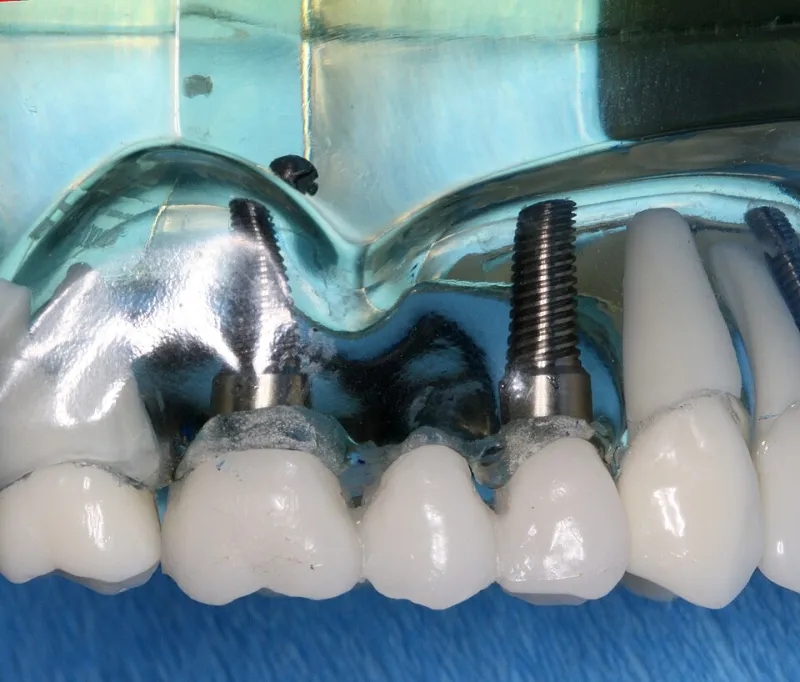
Photo: Ian Furst, CC BY-SA 3.0, via Wikimedia Commons
Dental care has a way of becoming urgent only after it becomes expensive. For many American patients, the first serious conversation about implants or full-mouth restoration arrives with a treatment plan that runs into tens of thousands of dollars. That shock is one reason India has become a familiar destination for complex dental work. But dental travel is not a simple price comparison. It is a staged clinical process, and the patients who do best are the ones who understand the sequence before they book a flight.
Why Dental Travel Is Different
Unlike a single surgical procedure, full-mouth restoration is rarely completed in one visit. It may involve extractions, bone grafting, sinus lifts, implant placement, healing periods, abutments, provisional crowns, final crowns, and repeated reviews. Some patients need two or three trips. Others can complete treatment in one extended stay if the clinical plan allows. The calendar matters as much as the cost.
Mera Clinic India typically begins by helping patients assemble panoramic X-rays, CBCT scans, photographs, periodontal records, and any existing treatment estimates. An Indian prosthodontist or oral implantologist can then review the case remotely and indicate whether travel is reasonable, what staging is likely, and what records are still missing.
What U.S. and Indian Plans Actually Include
A useful comparison is line by line, not headline by headline. American dental quotes often itemize the consultation, imaging, extractions, grafting, implant fixture, abutment, crown, laboratory fees, and follow-up visits. Indian plans should do the same. Patients should ask whether the quoted figure is all-inclusive or whether laboratory work, temporary crowns, medications, and additional grafting are billed separately.
It is misleading to compare a single crown in the United States with a full-mouth rehabilitation in India. The clinical scope must match. A fair comparison uses the same number of implants, the same materials, the same imaging, and the same follow-up window. Indian treatment plans are frequently a fraction of U.S. quotes, but the patient should still request a written breakdown and confirm what happens if healing is slower than expected or additional surgery is required.
Materials and Techniques
Implant systems vary in brand, surface treatment, and long-term documentation. Crowns may be porcelain-fused-to-metal, monolithic zirconia, or layered ceramic. Some Indian clinics use guided surgery and in-house CAD/CAM workflows; others rely on experienced technicians and external laboratories. The relevant questions are not simply which material is cheapest, but which material is appropriate for the tooth position, bite, aesthetic demand, and budget.
Patients should ask for the implant brand, manufacturer documentation, lot traceability, and warranty terms. They should also ask who makes the final crown and whether a provisional restoration will be used during healing. A lower quote that relies on undocumented materials or skips necessary grafting is not a bargain.
Specialist Qualifications
In India, dental specialists commonly hold a Master of Dental Surgery degree in prosthodontics, oral and maxillofacial surgery, periodontics, or a related field. Hospital accreditation and clinic reputation matter, but so does case volume. Patients should ask how many similar full-mouth cases the clinician handles each year, whether a multidisciplinary team is involved, and how complications are managed.
Before-and-after photographs can be helpful, but they should be accompanied by radiographs and a realistic discussion of limitations. Dentistry is not a cosmetic transaction alone. Bite function, gum health, and bone support determine whether a restoration will last.
Number of Visits and Recovery Time
A typical implant pathway may begin with imaging and extractions, followed by grafting and implant placement. Healing can take three to six months before final crowns are made. Some patients return home after the surgical phase and travel again for restoration; others remain in India for a longer period. Immediate-loading protocols exist, but they are not suitable for every case.
Recovery varies. Swelling, soreness, and a soft-diet period are common after surgery. Patients should plan for rest, avoid strenuous travel immediately after procedures, and follow postoperative instructions carefully. A full-mouth restoration is not a vacation add-on. It requires time, patience, and realistic expectations.
Follow-Up After Returning Home
Continuity of care is essential. Before leaving India, patients should obtain copies of radiographs, clinical notes, implant passports, material details, and a written maintenance plan. A local U.S. dentist should be identified in advance and given the records for routine review. Mera Clinic India can help coordinate this handoff so that the patient is not left without a clinical contact after returning home.
Who Is a Good Fit, and Who Is Not
Dental travel may suit a patient with stable general health, adequate bone volume, a clear treatment plan, realistic time availability, and a willingness to attend follow-up appointments. It may be especially practical for patients facing multiple implants or extensive crown work who have been quoted very high U.S. fees.
It is less suitable for patients with uncontrolled diabetes, heavy smoking, severe periodontal disease, complex bone loss requiring advanced grafting, bleeding disorders, or untreated temporomandibular joint problems. A single simple filling or routine cleaning rarely justifies international travel. Patients should also be cautious if they cannot commit to the healing timeline or cannot arrange follow-up at home.
India can offer sophisticated dental care at a meaningful cost advantage. But the decision should be clinical first and financial second. The right question is not whether dental work in India is cheaper. It is whether the specific mouth, the specific materials, and the specific follow-up plan add up to responsible care.