The Person Behind the Patient: A Companion's Checklist for an India Medical Journey
Most medical travel guides speak to the patient. This one is for the person holding the bag: the spouse, adult child, sibling, or friend who manages documents, asks the questions, and keeps the trip moving. The companion role is real work. It is also manageable when it is organized around a few clear responsibilities.
Before Departure: Build the Paper Trail
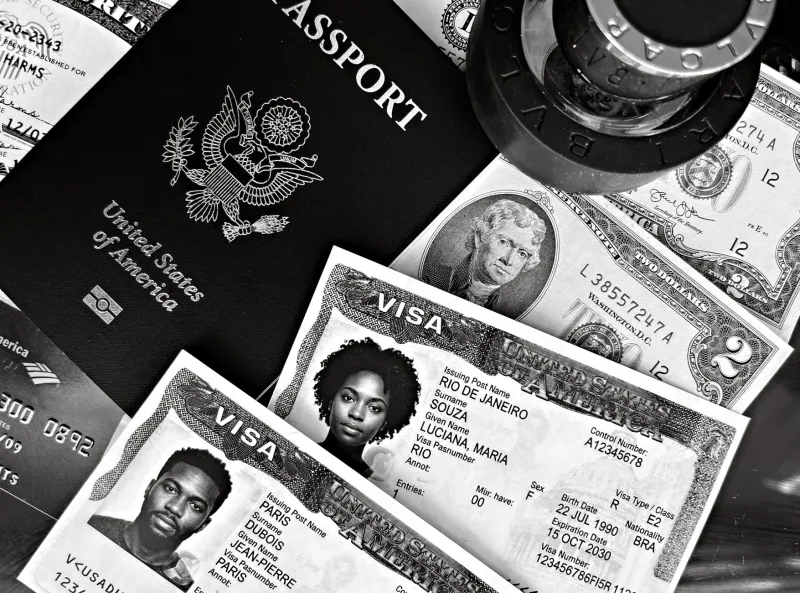
Start with a shared folder, preferably secure and cloud-based, that both the patient and companion can access. Include passport and visa copies, patient identification, the medication list, insurance documents, hospital correspondence, lodging confirmations, emergency contacts, and payment methods. Add a signed authorization or consent form that allows the companion to receive clinical information. Keep paper copies of the most important documents in the carry-on bag.
The companion should also know the trip timeline: consultation dates, procedure date, expected discharge window, and follow-up appointments. Build in buffer days. Medical schedules change, and a rigid itinerary creates unnecessary stress.
Confirm Records Access and Consent
Indian hospitals, like US hospitals, have privacy rules. Do not assume a companion can receive clinical information automatically. Ask the patient to sign a written authorization naming the companion and stating what information may be shared. Ask the international patient desk what they require and whether the authorization should be in English. Keep that document with you during hospital visits.
Ask about interpreter services in advance. Even when English is spoken, a medical interpreter can reduce confusion during discharge instructions or consent discussions.
Set Up Daily Hospital Communication
Ask for the name of the primary nurse, treating physician, and international coordinator. Agree on a daily update time and a preferred method of contact. Keep a notebook or phone note with the date, the clinician's name, what changed, what questions remain, and the next step. Use teach-back: repeat instructions back to the clinician in your own words and ask for correction.
Ask who to call after hours. Save that number before it is needed. If multiple family members want updates, designate one person to receive information and share it with the group.
Handle Lodging and Recovery Logistics
Choose lodging for recovery, not tourism. Proximity to the hospital, an elevator, a kitchen, laundry, and quiet matter more than a scenic view. Ask about wheelchair access and whether the room can accommodate a companion comfortably. Arrange reliable transport for admission and discharge days.
Keep a running grocery and pharmacy list. Expect to make small errands that were not in the original plan. Keep receipts for reimbursement or insurance records. Pack comfort items that travel easily: a phone charger, a light blanket, easy snacks, and a reusable water bottle.
Prepare for Discharge Day
Discharge is a handoff, not an ending. Request a written discharge summary, medication list, wound care instructions, diet and activity guidance, follow-up appointments, and signs that require urgent attention. Confirm that prescriptions are filled before leaving the hospital. Photograph the documents so they are available on a phone.
Ask for direct contact numbers for the hospital and the treating team. Clarify who handles follow-up scheduling and whether teleconsultation is available after return to the United States.
Build an Emergency Contact Card
Create a one-page card with the hospital international desk, local coordinator, treating physician, embassy or consulate, insurance assistance line, airline, and a family contact. Include the hospital address. Keep a paper copy in a wallet and a digital copy on the phone. In a stressful moment, a single card is faster than searching through email.
Protect the Caregiver
The companion role is a marathon. Schedule breaks, sleep, meals, and hydration. Ask for help from family or friends when possible. Keep a backup contact who can step in if the companion becomes ill. Do not make complex medical decisions alone; ask the care team to explain options and document the discussion.
Recognize burnout. If exhaustion is affecting judgment, tell the hospital team. A rested companion is a better advocate.
The Companion's One-Page Daily Checklist
- Medications given and times recorded
- Questions for the doctor written down
- Updates sent to family
- Meals and water for patient and companion
- Receipts saved
- Next appointment confirmed
- Rest break taken
Good companion work is quiet and logistical. It creates space for the patient to focus on recovery. At Mera Clinic India, international patient coordination is designed to support both the patient and the person standing beside them.