The Recovery Question: How Mera Clinic India Supports American Patients Long After They Fly Home
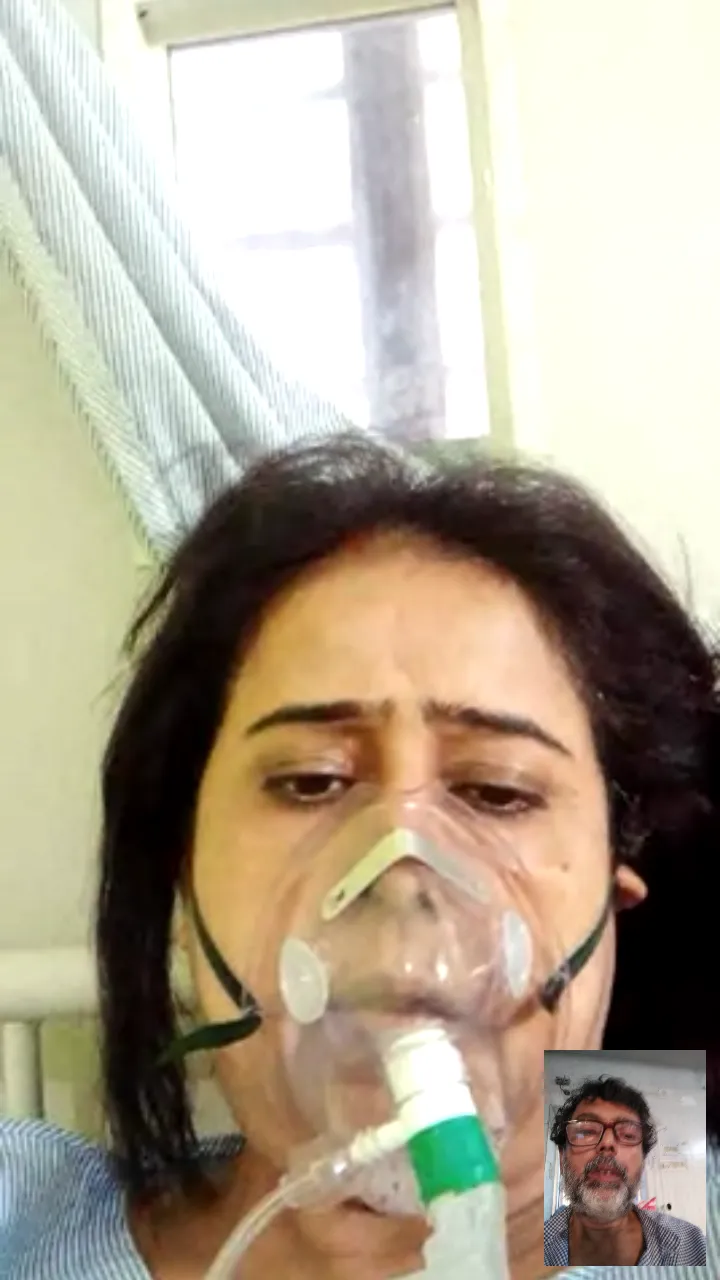
Photo: Biswarup Ganguly, CC BY 3.0, via Wikimedia Commons
For many American patients exploring medical travel to India, the initial research phase tends to focus on the obvious variables: procedure costs, physician credentials, hospital accreditation, and travel logistics. These are entirely reasonable priorities. But there is a second category of concern that surfaces reliably once patients begin to take the idea seriously — and it is the one that quietly stops many of them from moving forward.
What happens after?
It is a fair question, and it deserves a thorough answer. Post-operative care is not a peripheral detail of the surgical experience. It is, in many respects, where outcomes are actually determined. Wound healing, medication management, complication monitoring, physical rehabilitation, and psychological adjustment all occur in the weeks and months following a procedure — typically after the patient has returned home. For Americans who have traveled to India for treatment, "home" means a different country, a different time zone, and, potentially, a different physician who had no involvement in the original surgery.
At Mera Clinic India, we have structured our entire post-operative support model around this reality. What follows is an honest, detailed account of what that support looks like in practice.
Why Post-Operative Care Is More Complex for Medical Travelers
To understand why Mera Clinic India has invested so heavily in post-op infrastructure, it helps to understand what the conventional American surgical experience actually looks like after discharge — and where its own gaps exist.
In the United States, a patient who undergoes an elective orthopedic or cardiac procedure is typically discharged with a follow-up appointment scheduled two to four weeks later. Between discharge and that appointment, they manage at home with written instructions, a phone number for urgent concerns, and, in some cases, a visiting nurse or physical therapist. Many patients report feeling surprisingly unsupported during this window — uncertain about symptoms, unsure whether a particular sensation warrants a call, and largely managing their recovery independently.
For the medical traveler, the post-discharge period carries additional complexity. The return flight itself must be carefully timed relative to the procedure — blood clot risk following surgery is a genuine consideration for long-haul travel, and responsible medical travel programs account for this explicitly. Once home, the patient's US-based primary care physician may have limited familiarity with the specific procedure performed, the surgical technique used, or the post-operative protocol established by the Indian surgical team.
These are not insurmountable challenges. But they require deliberate, proactive management.
Mera Clinic India's Post-Operative Framework
Structured Telemedicine Follow-Up
The foundation of our post-operative support is a structured telemedicine schedule that begins before the patient boards their return flight. Patients receive a confirmed calendar of video consultations with their treating physician or a dedicated post-operative care specialist — typically at 48 hours post-discharge, one week, two weeks, one month, and three months following the procedure, with additional touchpoints scheduled based on clinical need.
These are not optional check-ins. They are scheduled appointments, conducted via a secure platform, with the same clinical rigor as an in-person consultation. Physicians review wound photographs submitted by the patient, assess reported symptoms, adjust medications where appropriate, and document findings in the patient's ongoing case record.
For patients accustomed to waiting weeks to speak with a physician in the United States, the availability of their Indian surgical team via video within 48 hours of returning home is frequently described as one of the most reassuring aspects of the entire experience.
Coordination With US-Based Physicians
Mera Clinic India does not operate in isolation from the American healthcare system. We recognize that a patient's domestic primary care physician or specialist will play an important role in their ongoing care, and we treat that relationship as a resource to be cultivated rather than a complication to be managed around.
Prior to discharge, our care coordination team prepares a comprehensive surgical summary — written in clinical language appropriate for the receiving physician, including operative notes, pathology results where applicable, implant specifications for orthopedic cases, medication protocols, and specific follow-up recommendations. This document is transmitted directly to the patient's US provider, along with contact information for our international patient liaison team.
When US physicians have questions — about technique, about post-operative parameters, about imaging interpretation — our team is available to respond. We have found that American physicians, once engaged directly, are generally supportive of their patients' decisions to seek care abroad when the clinical documentation is thorough and the communication channels are open.
Digital Health Monitoring
For patients undergoing procedures with specific physiological monitoring requirements — cardiac interventions, joint replacements, bariatric surgery — Mera Clinic India incorporates digital health tools into the post-operative protocol. Patients may be provided with or directed toward wearable devices or home monitoring equipment that transmits relevant data — heart rate, blood pressure, oxygen saturation, activity levels — to our care team for remote review.
This capability transforms the post-operative window from a period of clinical silence into an ongoing, data-informed conversation between patient and physician. Deviations from expected recovery parameters are flagged early, before they become complications requiring emergency intervention.
24-Hour Access for Urgent Concerns
Recovery does not observe business hours. A patient who wakes at 2:00 a.m. with an unexpected symptom — unusual swelling, a fever, a wound that does not look quite right — should not have to wait until morning to reach a clinical professional. Mera Clinic India maintains a 24-hour patient support line staffed by clinically trained personnel who can assess urgency, provide guidance, and escalate to a physician when warranted.
For truly acute situations requiring immediate local intervention, our team assists patients in identifying the appropriate US-based emergency resource and communicates relevant clinical background to the receiving facility.
The Psychological Dimension of Recovery
Physical recovery is only one component of the post-operative experience. Patients who have traveled internationally for significant procedures often navigate a complex emotional landscape in the weeks following their return — a mix of relief, fatigue, impatience with the pace of healing, and occasional doubt about the decisions made.
Mera Clinic India's patient coordinators maintain contact with patients throughout the recovery period not only for clinical purposes but to provide consistent, human support. Knowing that a real person — familiar with your case, accessible by phone or message — is available to answer questions and offer reassurance is a dimension of care that is difficult to quantify but consistently cited by our patients as meaningful.
Reframing the Post-Operative Conversation
The anxiety that many American patients carry about post-operative care abroad is understandable. It is rooted in a genuine concern: that distance creates vulnerability. What the Mera Clinic India model demonstrates is that, with the right infrastructure, distance is manageable — and in some respects, the structured, technology-enabled post-operative framework we provide offers more consistent touchpoints than the typical American surgical aftercare experience.
Patients do not return home to silence. They return home to a coordinated care plan, a confirmed follow-up schedule, a physician who knows their case, and a support team that remains accessible.
If you are considering a procedure in India and have questions about what recovery support looks like in practice, we invite you to speak with one of our patient coordinators. The answer to what happens after begins long before you board the return flight.