Paperwork Before Passage: A 2026 Medical Visa Roadmap for American Patients Traveling to India
For American patients considering treatment in India, the clinical decision is only half the journey. The other half is paperwork. A confirmed specialist appointment and a properly prepared medical visa application can make the difference between a calm departure and a costly delay. This guide outlines the 2026 process in practical terms, with the caveat that Indian visa rules can change and should always be verified with the nearest Indian embassy or consulate before submission.
Start With the Appointment, Not the Application
A medical visa is built on evidence of a genuine medical purpose. Before applying, patients should identify the hospital or specialist, share relevant records, and obtain a written appointment confirmation and treatment estimate. This is where Mera Clinic India can assist: the team can help organize imaging, pathology reports, physician notes, and a concise medical summary for the Indian clinician to review.
Do not book nonrefundable flights before the visa is granted. A common and avoidable error is treating the visa as a formality after travel has been purchased. The application should follow a confirmed medical plan, not precede it.
Which Visa Category Fits
Most American patients traveling for treatment at a recognized Indian hospital will need a Medical Visa. A companion, such as a spouse or adult family member, may need a Medical Attendant Visa. India also offers an e-Medical Visa in some circumstances for short-duration treatment at approved facilities. Eligibility depends on the facility, the intended length of stay, and current government policy.
A tourist visa is not the appropriate category for planned medical treatment. Patients should also avoid applying for a category that does not match the purpose of travel, since inconsistencies can lead to delays or refusal. Because categories and documentary requirements are updated periodically, confirm the correct route with the Indian mission before filing.
The Invitation Letter and Supporting Documents
The hospital invitation letter is central to the application. It should come from a recognized Indian hospital or treatment center, be written on official letterhead, and include the patient's identifying details, the proposed diagnosis or treatment, the expected duration of care, and an estimated cost. The letter should match the information in the visa application.
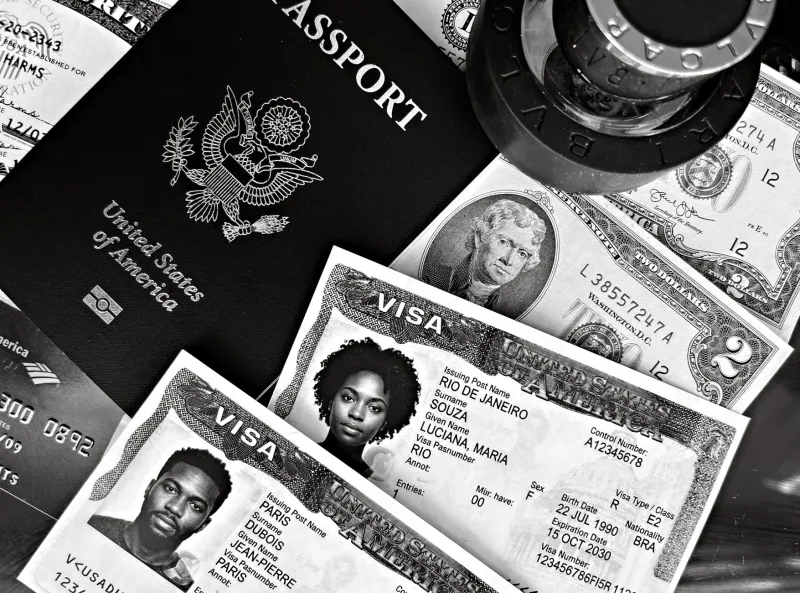
Supporting documents typically include a passport with sufficient validity, recent photographs, the completed application and fee, proof of financial capacity, a return or onward ticket, and relevant medical records. Patients should also carry accommodation details and, where applicable, documents for an accompanying attendant. Names, dates of birth, and passport numbers should be identical across every document. Even a small discrepancy can create unnecessary scrutiny.
A Realistic Timeline
A sensible timeline begins with records collection, which may take one to two weeks if reports must be retrieved from multiple providers. The Indian hospital then reviews the case and issues an invitation letter, often within one to three weeks. Visa processing itself varies by mission and category, so patients should allow several weeks rather than assuming a last-minute approval. A reasonable overall planning window is four to eight weeks, and longer if the case is complex or the passport requires renewal.
Expedited options may exist, but they should not be treated as guaranteed. Refundable flights and flexible accommodation are prudent until the visa is in hand.
Common Application Mistakes
Frequent errors include applying under a tourist visa for planned surgery, submitting an invitation letter that does not match the application, forgetting to apply for an attendant visa for a caregiver, and underestimating passport validity requirements. Some applicants provide vague financial documents or omit prior visa refusals. Others book travel before approval or fail to keep copies of every submission.
Patients should also check that the hospital named in the invitation letter is the facility where treatment will occur. If the plan changes after the visa is issued, the patient should seek guidance rather than assume the existing visa remains valid for a different purpose.
A Pre-Flight Checklist
Before booking flights, confirm the following: a passport with adequate validity; completed visa application and fee; hospital invitation letter; appointment confirmation; treatment estimate; organized medical records; proof of funds; return or onward ticket; accommodation details; attendant documents if traveling with a caregiver; travel insurance where appropriate; and printed and digital copies of all documents. Keep the Indian hospital's contact information and Mera Clinic India's coordination details accessible during travel.
At Entry and After Arrival
Carry hard copies of the visa, invitation letter, appointment confirmation, and medical records. Immigration officers may ask about the purpose and duration of stay. Patients should respect the visa's permitted period and seek official guidance through the Foreigners Regional Registration Office if a medical extension becomes necessary. Overstaying is a serious matter and should be avoided entirely.
The medical visa is not a bureaucratic obstacle to be rushed. It is part of the care plan. Handled in the right order, with accurate documents and realistic timing, it allows American patients to focus on what matters once they arrive: the consultation, the procedure, and the recovery ahead.